Merton Council rules for hazardous waste disposal: a practical local guide
If you are trying to work out the Merton Council rules for hazardous waste disposal, you are probably dealing with one of those awkward jobs nobody enjoys: old paint, chemicals in a shed, leaking batteries, an aerosol collection under the sink, or maybe a pile of mixed rubbish after a clear-out that suddenly looks a lot less straightforward than you hoped. To be fair, hazardous waste is one of those topics that seems simple until you are standing there with a half-full container and no idea where it should go.
This guide breaks the subject down in plain English. You will learn what counts as hazardous waste, how council and household disposal usually works in practice, what mistakes to avoid, and when it makes sense to use a professional service for safe clearance. We will keep it local, useful, and realistic. No fluff. Just the stuff that helps you get it right the first time.
- Why Merton Council rules for hazardous waste disposal matters
- How Merton Council rules for hazardous waste disposal works
- Key benefits and practical advantages
- Who this is for and when it makes sense
- Step-by-step guidance
- Expert tips for better results
- Common mistakes to avoid
- Tools, resources and recommendations
- Law, compliance, standards, or best practice
- Options, methods, or comparison table
- Case study or real-world example
- Practical checklist
- Conclusion
- Frequently asked questions
Why Merton Council rules for hazardous waste disposal Matters
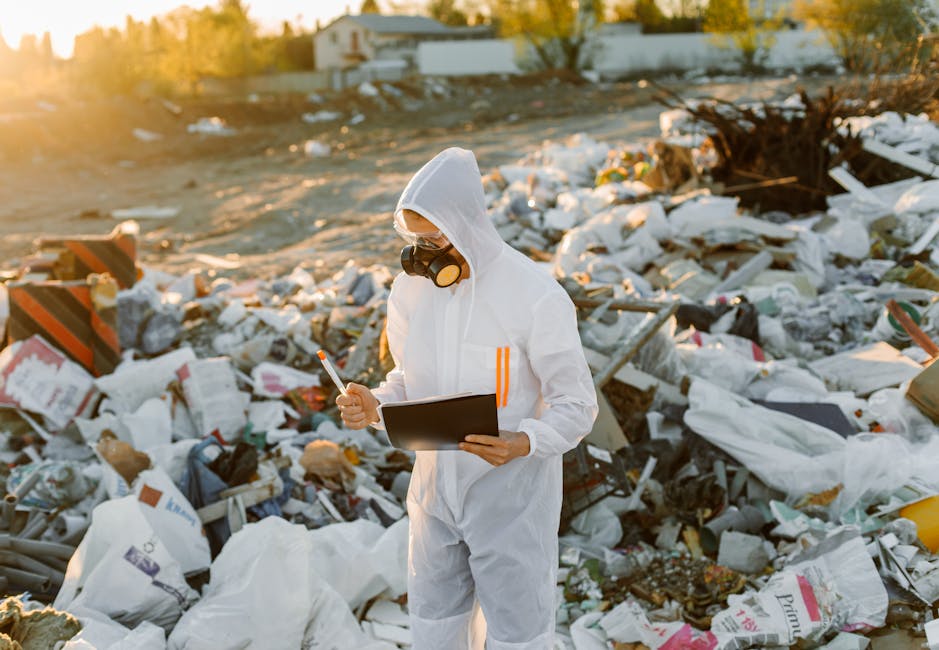
Hazardous waste is not just "rubbish with a warning label". It can include substances or items that may harm people, animals, property, or the environment if they are thrown away the wrong way. Think solvents, paint tins, cleaning chemicals, pesticides, fluorescent tubes, aerosols, certain batteries, oils, and similar materials. Some are harmless-looking until they leak, ignite, break, or react with something else.
That is why Merton Council rules for hazardous waste disposal matter. They are designed to reduce risk, protect waste workers, and make sure dangerous items are handled separately from ordinary household waste. If you have ever put a mystery bottle in a cupboard for "later", you already know how easily these things get forgotten. Then one day the label has faded, the lid is stuck, and nobody wants to touch it. Lovely.
There is also a broader public interest here. Hazardous items mixed into general bins can contaminate other waste streams, complicate recycling, and create avoidable safety problems. Even a small mistake can cause real issues once waste is collected and processed. So although the rules can feel a bit fussy, they are there for sensible reasons.
Expert summary: The safest approach is to separate hazardous items early, keep original labels where possible, never mix unknown chemicals, and use the disposal route that best matches the item's risk level and quantity.
How Merton Council rules for hazardous waste disposal Works
In practice, hazardous waste disposal for households usually works on a separation principle. You identify the item, decide whether it is actually hazardous, then follow the correct local route for drop-off, collection, or specialist removal. The exact procedure may vary depending on the material, its condition, and how much you have.
A council will typically expect hazardous items to be kept apart from general rubbish and recycling. That means no bashing everything into a black sack and hoping for the best. If the item is liquid, flammable, corrosive, sharp, pressurised, or otherwise risky, it may need additional care. A good rule of thumb: if it smells strong, leaks, is labelled as dangerous, or you are not confident handling it, slow down and check before moving it.
For many households, the practical decision comes down to one of four routes:
- Keep the item safe at home until you can use the correct council route.
- Take it to a designated disposal point if accepted.
- Arrange a special collection or approved transfer route if needed.
- Use a professional clearance service for mixed or bulky hazardous items, especially after a move, renovation, or bereavement clear-out.
If your hazardous waste is part of a wider home clearance, it can help to plan the whole job as one project rather than tackling bins, cupboards, and storage boxes separately. That is where services like house clearance or one-off cleaning can support the tidy-up around the disposal process, especially when the space needs a proper reset afterwards.
The key point is this: hazardous waste is usually a handling problem before it is a throwing-away problem. Handle it right first, and disposal becomes much easier.
Key Benefits and Practical Advantages
Following the right disposal process has obvious safety benefits, but the practical advantages are just as important. When hazardous items are dealt with properly, the whole job becomes calmer and cleaner. Fewer surprises. Fewer leaks. Less chance of a nasty smell drifting through the kitchen or utility room at the worst possible moment.
- Safer handling: You reduce the risk of burns, fumes, cuts, and accidental spills.
- Cleaner storage: Proper separation keeps cupboards, sheds, and garages easier to manage.
- Better recycling outcomes: Non-hazardous materials are less likely to be contaminated.
- Lower disposal stress: You avoid last-minute panic on collection day.
- Less chance of accidental non-compliance: A simple checklist prevents avoidable mistakes.
There is also a budget angle. Sorting hazardous waste early can save time later, especially if you are clearing a property and paying for labour by the hour. A few minutes spent identifying items properly can prevent a much bigger headache when the bags are already at the front door.
In commercial settings, the advantage is even more obvious. Offices, communal areas, and maintenance rooms often accumulate mixed materials over time, from toner cartridges to cleaning chemicals. If you are managing a workplace, it is sensible to pair proper disposal routines with a reliable office cleaning or cleaning company process so waste handling, storage, and cleaning all follow the same safe standard.
Who This Is For and When It Makes Sense
This topic applies to a lot more people than you might think. You do not need to run a factory or a workshop to come across hazardous waste. Everyday homes generate it all the time, just in smaller amounts.
It is especially relevant if you are:
- clearing out a garage, loft, or shed
- moving into or out of a rented property
- renovating after builders have finished
- disposing of old cleaning products, paint, or garden chemicals
- sorting batteries, bulbs, or small electrical items
- managing a property on behalf of someone else
- dealing with mixed waste after a deep clean or house clearance
It also makes sense for landlords and letting agents. End-of-tenancy situations often uncover items that are not just untidy, but potentially hazardous: leftover aerosols, mouldy chemicals, broken lights, or old household paint. A well-planned end of tenancy cleaning job can identify these issues early, before they become a larger problem for the next occupant.
If you are the sort of person who likes to "just get rid of everything in one go", take a breath. That approach works for cushions and cardboard, but not for mystery liquids or pressurised containers. Hazardous waste asks for a slightly more patient method. Annoying, yes. Necessary, definitely.
Step-by-Step Guidance
The easiest way to stay compliant is to deal with hazardous waste in a logical sequence. You do not need specialist jargon. You do need to be methodical.
- Pause and identify the item. Read the label carefully. If it says flammable, toxic, corrosive, oxidising, harmful, or pressurised, treat it cautiously.
- Check whether it is actually hazardous. Some products are ordinary waste once fully empty and clean, while others remain risky even in small quantities. If in doubt, keep it separate.
- Keep items in their original container where possible. Original labels are useful. They help identify the contents and reduce the chance of mixing incompatible products.
- Do not combine unknown liquids. This is a big one. Mixing chemicals can create dangerous reactions. If you do nothing else, avoid that.
- Store safely until disposal. Use a stable, cool, dry place away from children, pets, flames, and food.
- Choose the right disposal route. Depending on the item, you may need a council route, a drop-off option, or a specialist clearance service.
- Transport securely. Keep containers upright, sealed, and boxed so they do not move around in the car.
If you are dealing with the aftermath of decorating or building work, it is especially wise to inspect the waste before sending it out. A room can look tidy on the surface, but the real risk is often tucked behind the sofa, under the sink, or in a random bucket nobody remembers buying. That is where after builders cleaning can help once the dangerous items have been separated and removed.
And if the job has grown from "small tidy-up" into "how on earth did we collect this much stuff?", bringing in cleaners or specialist domestic support can make the space safer and much more manageable.
Expert Tips for Better Results
Here are the practical details that often save people time, stress, and one unnecessary trip back to the car.
- Keep labels visible. If you need to check the item later, do not peel off the label or scribble over it.
- Separate liquids from solids. A leaking tin of paint and a bag of old wipes should not be stored together.
- Use a rigid box or tray for transport. It is a small thing, but it stops sliding and tipping.
- Handle batteries with care. Tape over terminals where appropriate to reduce the chance of short-circuiting.
- Do not assume "empty" means safe. Aerosols, solvents, and similar items can still be hazardous even when they seem used up.
- Take photos before moving items. Handy if you later need to ask a professional what you are looking at.
One small habit that helps a lot: create a "quarantine box" for questionable items. Nothing dramatic. Just a clearly marked box where you place anything you are not ready to dispose of yet. It stops mystery items migrating back into random cupboards. That alone can save a fair bit of chaos.
When hazardous waste turns up alongside soft furnishings, damaged rugs, or fabrics that need a proper refresh, it can be sensible to pair waste removal with specialist cleaning such as carpet cleaning or upholstery cleaning. Not because the cleaning solves the waste issue, but because it helps restore the room once the risky items are gone.
Common Mistakes to Avoid
A lot of hazardous waste problems come from good intentions carried out a bit too quickly. That is usually how trouble starts.
- Putting hazardous items in general waste. It is the most obvious mistake, and still one of the most common.
- Mixing unknown chemicals together. If you do not know what it is, do not blend it with anything else.
- Leaving containers open. Vapours, spills, and smells become more likely.
- Carrying loose items in the boot. They can topple, rupture, or leak during transport.
- Ignoring safety gear. Gloves are not glamorous, but neither is a chemical splash.
- Assuming every council route is the same. Different materials may need different handling. The rules are not a one-size-fits-all thing.
Another common issue is overconfidence. Someone finds an old tin in the shed and says, "It'll be fine, it's only a bit of paint." Maybe. Maybe not. If the lid is bulging, the product is separated, or the smell hits you the moment you open it, that is your cue to treat it carefully. No hero points for guessing wrong.
For larger clean-ups, the biggest mistake is leaving hazardous items until the very end. Do the risky bits first, then tackle everything else. Your future self will be grateful, even if they say it grumpily.
Tools, Resources and Recommendations
You do not need fancy equipment for most household situations, but a few basic tools make safe handling much easier.
| Tool or item | Why it helps | Best use |
|---|---|---|
| Disposable or reusable gloves | Reduces direct contact with residues and sharp edges | Handling cans, bottles, batteries, and dusty containers |
| Strong cardboard box or rigid tote | Prevents items moving around or tipping over | Transporting sealed containers safely |
| Marker pen and labels | Helps you mark unknown items clearly | Quarantine boxes and temporary storage |
| Absorbent material or old cloths | Useful for minor drips while waiting for disposal | Keeping shelves and trays clean |
| Phone camera | Lets you record labels before moving items | When you need a second opinion |
In terms of household support, a wider property clean may be the smartest next step if hazardous waste has been found in a cluttered or neglected room. Services such as deep cleaning and domestic cleaning can help once dangerous materials are removed, especially if the rest of the room needs a proper reset.
For homes with lots of soft furnishings or frequent use, it may also be worth considering house cleaning support to keep the property in good shape while you sort out disposal matters. It is a small investment of sanity, honestly.
Law, Compliance, Standards, or Best Practice
When people ask about council rules, they often really want to know where legal responsibility starts and stops. The short answer is that hazardous waste should be managed carefully and responsibly, and you should follow the disposal route that matches the type of material you have. The exact details depend on the waste itself, but the underlying principle is consistent: do not put people or the environment at unnecessary risk.
In the UK, best practice usually means:
- separating hazardous from non-hazardous waste
- keeping items identifiable and safely contained
- avoiding mixing incompatible substances
- using approved disposal routes for the specific waste type
- using competent help for larger, mixed, or uncertain loads
For businesses, the expectations are usually stricter because waste handling forms part of wider workplace safety and environmental responsibility. If your premises generate cleaning chemicals, oils, contaminated absorbents, or similar materials, it is sensible to align disposal practices with a clear health and safety policy and sensible storage routines. That is less about bureaucracy and more about keeping people safe. Fair enough, really.
If you are hiring help, make sure any provider you use has appropriate processes, insurance, and a clear approach to safety. A reputable cleaning company should be able to explain how it handles risk, separates waste, and protects property while the work is underway.
Options, Methods, or Comparison Table
Different situations call for different disposal methods. The right choice depends on volume, risk, and convenience. Here is a simple comparison to help you decide.
| Method | Best for | Pros | Watch-outs |
|---|---|---|---|
| Home separation and safe storage | Small amounts of clearly labelled hazardous items | Cheap, controlled, and flexible | Needs space and patience; not suitable for everything |
| Council-approved disposal route | Household hazardous waste that can be accepted locally | Designed for local residents; usually straightforward once booked or arranged | Rules vary by material and capacity |
| Specialist collection or clearance | Bulky, mixed, awkward, or uncertain items | Convenient and often safer for larger jobs | Can cost more than a self-managed option |
| Combined clearance and cleaning | Post-move, refurbishment, or neglected spaces | Restores the space after disposal; saves time | Requires clear communication about what must be removed first |
If the main issue is not just hazardous waste but the condition of the property itself, combining the clearance with a targeted service such as one-off cleaning can be a smart middle ground. You deal with the mess, reset the room, and avoid dragging the job out over several weekends. Been there, and it is never quite as quick as you think.
Case Study or Real-World Example
Here is a realistic example. A family in Merton was clearing a spare room before decorating. The room looked mostly harmless at first: old boxes, broken lamps, some faded paperwork, a few tins in the corner. But once they started sorting, they found partially used paint, a bottle of strong cleaning fluid, old aerosol cans, and a leaking container tucked behind a cabinet.
Instead of throwing everything into one bin bag, they paused. The questionable items were set aside in a labelled box, kept away from heat, and checked one by one. The non-hazardous clutter was removed separately. Once the risky materials were isolated, the rest of the room could be cleaned and prepared for decorating without spreading residue around.
That may sound very ordinary, and that is exactly the point. Most hazardous waste situations are not dramatic. They are just a bit messy, a bit unclear, and easy to handle badly if you rush. The difference between a smooth job and a stressful one is usually the first ten minutes.
After the disposal stage, the room was reset with a more thorough cleaners visit and some careful attention to the floor and soft furnishings. If you are dealing with similar clutter in living spaces, support from sofa cleaning or rug cleaning can make a noticeable difference once the hazardous part of the job is done.
Practical Checklist
Use this checklist before you move or dispose of anything that might be hazardous.
- Have I identified the item clearly?
- Does the label mention flammable, toxic, corrosive, or pressurised contents?
- Is the item still sealed, leaking, damaged, or unstable?
- Can it stay in its original container?
- Have I kept it separate from general waste and recycling?
- Do I know the safest local disposal route?
- Do I need gloves, a tray, or a rigid box to move it safely?
- Have I kept children, pets, heat, and food away from the storage area?
- Am I avoiding mixing it with any other product?
- Do I need professional help because the load is mixed, bulky, or uncertain?
If the answer to the last question is yes, that is not a failure. It is common sense. Sometimes the safest option is simply the least awkward one.
Get a free quote today and see how much you can save.
Conclusion
Merton Council rules for hazardous waste disposal are really about one thing: keeping dangerous materials out of ordinary waste streams and handling them in a way that protects people, property, and the environment. Once you understand that principle, the rest becomes much easier. Separate early, keep items identifiable, avoid mixing chemicals, and choose the right route for the job in front of you.
For a small amount of household waste, that might mean safe storage and a council-approved route. For a bigger clear-out, it may mean pairing disposal with professional support so the whole space can be made safe and usable again. Either way, a calm, careful approach usually wins.
And if today's job feels a bit overwhelming, that is completely normal. Start with one box, one shelf, one corner. Progress has a funny way of making itself known after the first few sensible steps.
Frequently Asked Questions
What counts as hazardous waste in a home?
Common household hazardous waste includes paint, solvents, cleaning chemicals, pesticides, batteries, aerosols, oils, fluorescent tubes, and some electrical items. If a product is labelled as harmful, flammable, toxic, corrosive, or pressurised, treat it carefully.
Can I put hazardous waste in my normal bin?
Usually, no. Hazardous waste should be kept separate from general rubbish because it can damage collection systems, create safety risks, and contaminate other waste. If you are unsure, do not guess.
Do I need to keep items in the original container?
Yes, where possible. Original containers and labels make it easier to identify what the item is and how it should be handled. If a container is damaged, store it securely and keep it clearly labelled.
What should I do with old paint tins?
That depends on the paint type, how full the tin is, and whether it is still usable or safe to move. Keep it sealed, upright, and separate from general waste. If the tin is leaking, bulging, or heavily contaminated, treat it with extra caution.
Are empty aerosol cans still hazardous?
They can be. A can may look empty but still contain pressurised residue. Do not puncture, crush, or heat it. Store it safely and follow the correct disposal route for your area.
Can I take hazardous waste in my car?
Often yes for small household quantities, but it must be transported securely. Keep containers upright, sealed, and boxed so they do not tip over. Never carry leaking items loose in the boot.
What if I find an unknown chemical bottle?
Do not open it, mix it, or pour it out. Keep it away from heat and food, leave the label visible, and treat it as hazardous until you can identify it safely. If in doubt, seek professional help.
Is this different for landlords or tenants at the end of a tenancy?
Yes, it can be. Tenants should not leave dangerous waste behind, and landlords need to make sure anything hazardous found on the property is handled safely before reoccupation. A proper end-of-tenancy process helps reduce confusion and delay.
Do I need a professional service for a small amount of hazardous waste?
Not always. Small, clearly identified items may be manageable through safe storage and the correct disposal route. A professional service makes more sense when the load is mixed, bulky, damaged, or uncertain.
How do I avoid making a mistake with hazardous waste?
Slow down, check labels, keep items separated, and never mix unknown substances. If something feels unclear, set it aside. A cautious pause is much better than an expensive clean-up later.
Can household cleaning products be hazardous?
Some can, especially strong bleach, drain cleaners, oven cleaners, solvents, and concentrated chemicals. The trick is to read labels properly and treat strong products with respect, even if they are common in the cupboard.
What is the safest first step if I am dealing with a whole room of clutter?
Start by identifying and isolating anything hazardous before touching the rest. Once the risky items are separated, you can move on to the general clutter, cleaning, and final reset. That order saves time and reduces risk.